
After a long day, you finally crawl into bed—only to realize you forgot to trim your nose hair. You grab your nose hair trimmer, but the bedroom light is dim. You hesitate: turning on the lamp might wake your partner, but trimming in the dark sounds risky. Do you really want to poke your nostril by mistake?
Here’s the good news: with the best nose hair trimmer designed for low-light situations, you can handle this quietly and safely. In this guide, we’ll walk you through how to trim effectively in dim environments, what tools to choose, and what common mistakes to avoid before bedtime.
I. Why Trimming Nose Hair in Low Light Can Go Wrong
Even something as simple as trimming nose hair can turn troublesome in the dark. When visibility is poor, three common problems often occur:
1. Poor Visibility Can Lead to Cuts
The skin inside your nostrils is thin and delicate. Without clear lighting, you can’t precisely see the electric nose hair trimmer’s tip. A slight misalignment can scratch the skin, causing discomfort or even a small cut that stings every time you wash your face.
2. Struggling to Find the Power Button
Many nose and ear hair trimmers have multiple small buttons for speed or mode. In low light, it’s easy to press the wrong one or fumble around to find the power switch. What should take five minutes becomes a frustrating ordeal.
3. Incomplete Cleaning After Use
Trimming leaves behind tiny hair fragments, which should be cleaned immediately. But in low light, it’s hard to see what’s left on the blades. Neglecting this step can allow bacteria to build up, making your next use less hygienic and potentially irritating to your skin.
II. Four-Step Guide: How to Use Nose Hair Trimmer Safely in the Dark
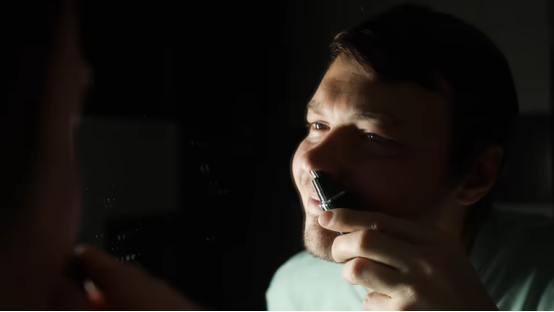
You don’t need bright lighting to trim effectively. Follow these four steps to make your bedtime grooming routine smooth, silent, and safe.
Step 1: Choose the Right Tool with Built-In Lighting
Avoid basic models. Choose a rechargeable nose hair trimmer with an LED light built near the blade—such as the 3-in-1 LED model available at BestNoseHairTrimmer.com. The built-in light automatically turns on when you power it up, allowing you to see inside your nostrils even in near-darkness.
These models are typically cordless and USB rechargeable, so you don’t have to worry about tangled cables or finding an outlet. If you prefer simplicity, go for an electric nose hair trimmer with a clearly raised power button that can be easily identified by touch.
Step 2: Pre-Position Before Turning It On
Before you switch on the trimmer, take a moment to prepare:
Check Blade Direction: Hold the trimmer close to your eyes (even in dim light) to confirm the blade’s rounded side is facing outward.
Test Operation: Turn on the device briefly. You should hear a steady hum, not a rattling sound. If your trimmer includes an LED light, point it toward your palm to ensure the light is bright enough before use.
Step 3: Use Slow, Gentle Circular Motions
In dark environments, precision matters more than speed. Insert the trimmer only about 5 mm into your nostril and move it gently in half-circle motions—first clockwise, then counterclockwise. This technique follows the natural curve of your nostril, reducing the chance of irritation.
Let the waterproof nose hair trimmer do the work; you don’t need to press hard. Models with rounded safety edges or protective mesh guards (like the ABS-handled model at BestNoseHairTrimmer.com) are designed to glide smoothly without nicking the skin.
Focus slightly more on the outer edge of the nostril—this is where visible hairs tend to stick out. Inner hairs should be left mostly intact to maintain your natural filtration against dust.
Step 4: Clean and Store in Seconds
Even in low light, a quick cleaning is possible:
Dry Clean Option: For dry-use trimmers, gently wipe the blades with a clean tissue. Check under the LED light or a nearby dim lamp to confirm no stray hairs remain.
Rinse Option: If you’re using a waterproof nose hair trimmer, simply rinse the head under cold water, shake off excess moisture, and let it air-dry. The stainless-steel blades and waterproof casing prevent rust, ensuring your next trim stays sanitary.
III. Common Mistakes to Avoid
Even with the best-rated nose hair trimmer, improper handling can cause discomfort or injury. Here are three pitfalls to steer clear of:
1. Avoid Scissors at All Costs
Using small scissors may seem like a quick fix, but in low light, it’s extremely risky. The sharp tips are hard to position accurately and can easily nick the delicate nostril lining. Scissors also produce uneven cuts, and loose strands can fall inside your nose, causing itchiness.
2. Don’t Rush or “Stab” Movements
Many people try to finish quickly by jabbing the trimmer in and out. This can pull on hair instead of cutting it, causing pain or irritation. Move slowly in small circles—five seconds per nostril is enough for a clean result.
3. Skip Cheap, Unsafe Designs
Some low-cost trimmers lack rounded blades or protective covers. These designs can cause scratches, especially when used in the dark. Look for two safety features: a protective guard over the blades and a non-slip handle to maintain grip even when your hands are damp.
IV. Choosing the Best Nose Hair Trimmer for You
The “best” model depends on your habits and lighting conditions. Below are a few categories to help you decide:
For Frequent Users
Opt for a top-rated nose hair trimmer with long battery life and quick charging, such as a rechargeable nose hair trimmer with an LED light. This setup is ideal if you trim every few days.
For Men
A nose hair trimmer for men should feature stronger torque for coarse hair, an ergonomic grip, and waterproof cleaning. Men’s models often double as ear and nose hair trimmers, saving time and space.
For Women
Choose a nose hair trimmer for women with a gentler blade system and lightweight design. The best nose hair trimmer for women typically includes hypoallergenic stainless-steel tips to reduce skin sensitivity.
For Dual Use
If you need an all-around solution, consider the best nose and ear hair trimmer—these models efficiently handle both areas with safety guards and precise cutting heads.
V. How to Use Nose Hair Trimmer Safely Every Time
Trimming shouldn’t feel risky or complicated. Here’s a quick refresher to keep every use safe:
Trim under indirect light (like a night lamp or the trimmer’s LED).
Use gentle circular motions, not forceful pushes.
Clean immediately after use to prevent buildup.
Store the trimmer in a dry place with its protective cap on.
Replace dull blades regularly—typically every 6–12 months, depending on frequency of use.
VI. Final Thoughts: Small Tool, Big Difference
Your bedtime grooming routine doesn’t have to involve harsh lighting or noisy equipment. The right nose hair trimmer—ideally one that’s rechargeable, waterproof, and LED-equipped—lets you stay well-groomed without waking anyone up.
Whether you’re looking for the best nose hair trimmer for men, a nose hair trimmer for women, or an all-purpose electric nose hair trimmer, modern options make the task safer, quieter, and more efficient than ever.
Before turning in for the night, take a minute to handle the small things. Sometimes, that’s exactly what helps you end the day feeling fresh, confident, and fully at ease.