Best Nose Hair Trimmer for Seniors
Safe, Simple, and Built to Last
What older adults and their families should look for — protective guard design, grip safety, and one-button operation — explained without the marketing language.
The Safety Specs Most Guides Don’t Talk About
A nose hair trimmer for seniors is an electric rotary grooming tool designed for safe, low-dexterity operation by older adults. Key differentiators from standard models include: a fixed-depth protective guard limiting insertion to 5mm, non-slip ergonomic grip for use with reduced hand mobility, one-button operation, IPX7 waterproof head for tap-rinse cleaning, and lightweight construction under 80g. Price range: $22–$35.
Nose and ear hair growth increases significantly after 60 due to changes in androgen activity. For men and women in their 60s, 70s, and 80s, regular trimming becomes a genuine daily hygiene issue — and yet most trimmers on the market are designed for someone with steady hands, good grip strength, and sharp vision.
The reason I started thinking seriously about this: my father is 68, lives alone, and ended up in the ER after a poorly made trimmer with a defective head failed in use. I spent 12 years as a QC engineer for medical devices. I knew what had gone wrong, and I knew it was preventable.
This guide focuses on what actually makes a trimmer safe for older adults — not just which products look good in photos.
Why Nose and Ear Hair Becomes a Bigger Issue After 60
Androgens — the hormones responsible for hair follicle activity — change their expression patterns over time. After 50–60, nasal and auricular (ear) hair follicles in men and many women become more androgen-sensitive, producing thicker, faster-growing hair in these areas while scalp hair slows.
This is normal and universal. It’s not a medical problem. But it does mean that trimming frequency and technique become more important with age, not less.
Do not pull or wax nose hair. Nasal cilia — the fine hairs lining the nasal passage — filter airborne particles, bacteria, and allergens. Removing them entirely increases susceptibility to sinus infections and respiratory irritation. The correct approach is trimming to 3–5mm below the nostril entrance only.
A rotary trimmer with a fixed 5mm guard handles this correctly by design. The guard’s physical depth limit does the safety work — the user doesn’t have to estimate insertion depth themselves.
The Four Safety Features That Matter Most for Seniors
Additional Features Worth Prioritizing for Older Adults
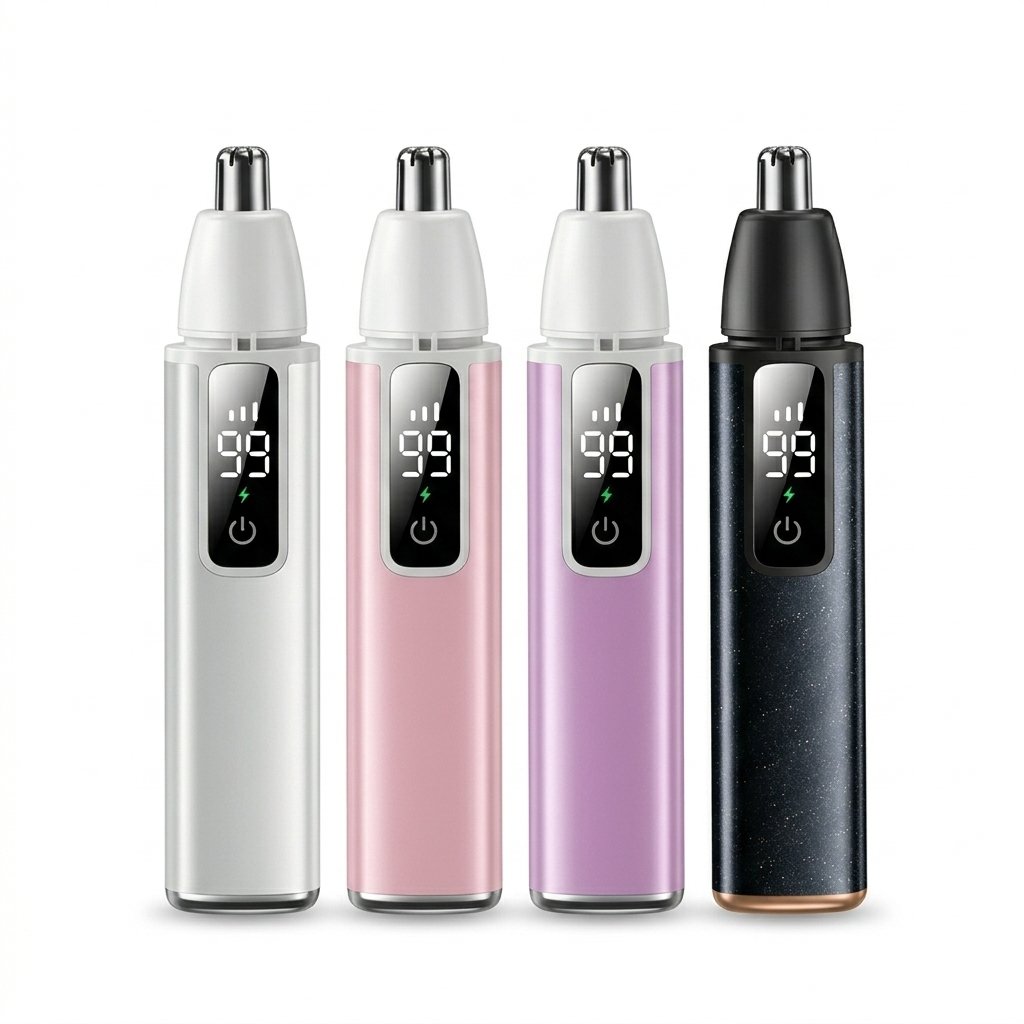
- Digital battery display (LCD). Shows exact remaining charge (e.g., 80%) instead of a small LED dot. Easier to read from arm’s length and provides clear notice before the battery runs out mid-use.
- USB-C charging. The same cable as modern smartphones. No separate adapter needed, and USB-C ports on chargers are clearly labeled. Eliminates the “which cable is this” problem for users managing multiple devices.
- Lightweight under 80g. A trimmer used in an extended arm position fatigues quickly if it’s heavy. Most quality single-function trimmers come in at 50–70g. Avoid grooming kits that add significant weight with attachments you won’t use.
- Detachable blade head with tactile feedback. The head should click firmly into place and release with a clear twist action. Loose attachment points are a failure risk. A positive-click mechanism makes it clear the head is properly seated before use.
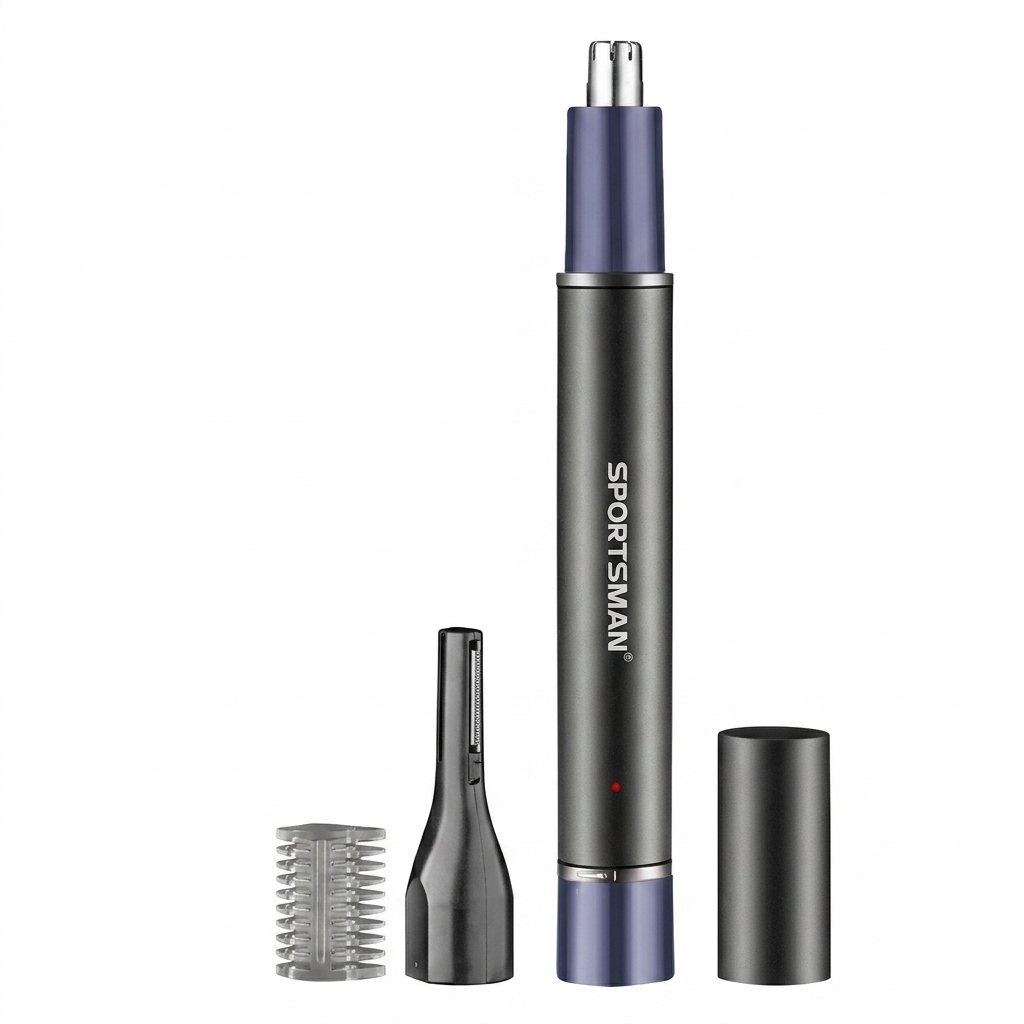
- Ear attachment option. Ear hair growth accelerates alongside nasal hair after 60. A dedicated ear attachment with a narrower profile and slightly longer guard is worth having for users who need both.
Noziq Picks for Seniors
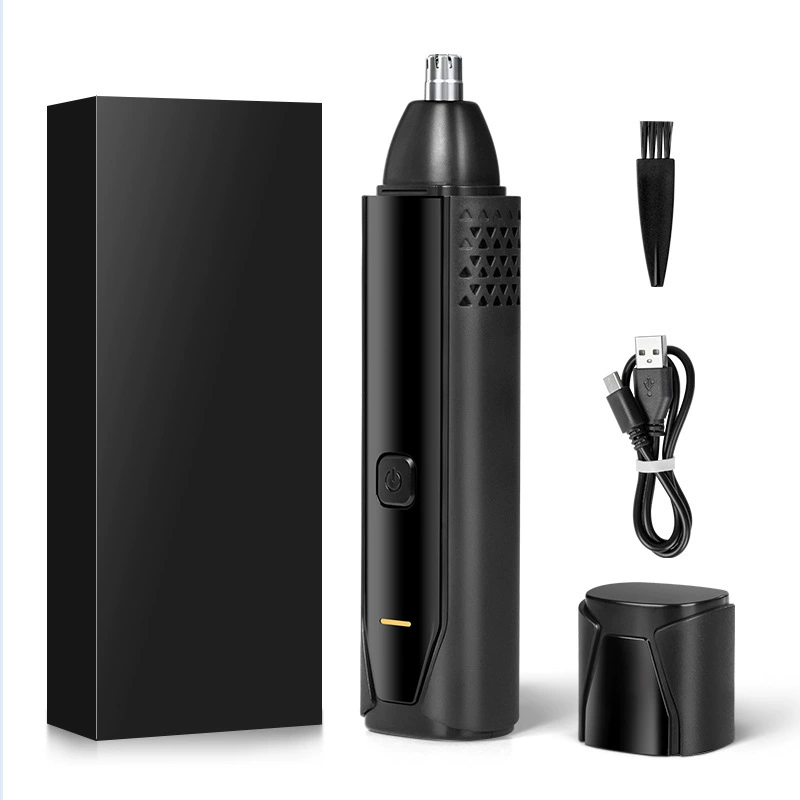
These four products share the non-negotiable safety features: fixed-depth guard, IPX7, and one-button operation. They differ in added features and price point.

How to Use a Nose Hair Trimmer Safely — For Older Adults
This applies to first-time users of electric trimmers and to anyone helping a parent or older relative set one up. The process is simple when explained clearly.
Charge fully before first use
USB-C cable connects to any standard charger (phone charger works). LED or LCD indicator shows charging status. Full charge takes 60–90 minutes and lasts 3–4 weeks of regular use.
Use in front of a mirror with good light
Tilt your head back slightly toward the mirror. Good lighting lets you see what you’re doing. The guard handles depth control — you don’t need to judge distance yourself.
Press the button once and insert gently
The trimmer is already on when you insert it. Gentle insertion — the guard stops depth at 5mm automatically. Move the tip in a slow circle inside the nostril, 5–10 seconds per side. No pressure needed; let the rotation do the work.
Rinse the head under the tap
Twist the trimmer head to remove (usually counterclockwise, one quarter turn). Hold it under running water for 10–15 seconds. Shake off excess water. Reattach when dry. No brush required with IPX7 models.
Replace the blade head every 12–18 months
Signs: more vibration than usual, hairs that require repeat passes, any tugging sensation. Replacement heads are available on the Noziq site. The blade head is the only part that wears out — the motor body lasts 3+ years.
Senior-Focused Picks Compared
| Product | Price | Battery Display | Weight | IPX7 | Best For |
|---|---|---|---|---|---|
| LCD 2-in-1 (NHT11-003) | $29.99 | LCD ✓ | 65g | ✓ | Vision concerns, battery anxiety |
| IPX7 Travel (NHT10-004) | $26.99 | LED | 58g | ✓ | Strong grip focus |
| USB-C Rotary (NHT01-001) | $24.99 | LED | 52g | ✓ | Lightest; simplest operation |
| Dual-Blade Compact (NHT08-004) | $27.99 | LED | 55g | ✓ | Compact for smaller hands |
Buying for a parent or grandparent?
The LCD display model (NHT11-003) is the most frequently recommended for seniors buying for their parents. The digital battery indicator removes guesswork, and the 2-in-1 nose/ear coverage handles both problems with one tool.
See Gift Guide →Frequently Asked Questions
More Resources
Related Articles
- How to Choose a Nose Hair Trimmer for Seniors: 3 “Easy-to-Use” Features That Solve Stiff Joints & Poor Vision
- From Painful Fear to Painless Relief: How One Electric Nose Hair Trimmer Saves Sensitive Nostrils
- Long-Term Storage and Maintenance for Nose Hair Trimmers: Battery and Blade Protection Guide
- How to Use Nose Hair Trimmer Safely: Essential Tips for First-Time Users