Best Waterproof Nose Hair Trimmer
IPX7 Rated Options That Last
“Waterproof” means different things on different products. Here’s what IPX7 actually requires — and which trimmers have genuinely been tested to that standard.
Why “Waterproof” Isn’t Enough — You Need an IPX Number
A waterproof nose hair trimmer is an electric grooming tool rated to IEC standard IPX7 or higher — meaning it survives submersion in 1 meter of water for 30 minutes without electrical failure. IPX7-rated trimmers can be used in the shower, rinsed directly under a running tap after use, and submerged for cleaning. Models labeled only “water resistant” have not been tested to this standard and may fail with regular rinse cleaning.
I spent 12 years in medical device QC testing handheld tools — including waterproof-claim testing. “Waterproof” on a consumer product label is not a regulated claim. Manufacturers can use it for anything from a light mist test to a full IEC 60529 submersion test.
The only way to know what was actually tested is to find the IPX number. Without it, you’re trusting a marketing claim with no specified standard behind it.
IPX Ratings Explained: What Each Level Actually Means
The IP (Ingress Protection) rating system is defined by IEC standard 60529. The “X” in IPX ratings means dust protection has not been tested — only water protection is rated. Here’s what the numbers mean for a nose hair trimmer:
| Rating | What Was Tested | For Nose Trimmer Use |
|---|---|---|
| IPX0 | No water protection tested | ❌ Keep away from water entirely |
| IPX3 | Spray at up to 60° from vertical | ❌ Bathroom humidity only — no rinsing |
| IPX4 | Splashing from any direction | ⚠️ Accidental splashes — no rinsing |
| IPX5 | Water jets from any direction | ⚠️ Hand-washing the head — not shower use |
| IPX6 | Powerful water jets from any direction | ✓ Suitable for rinse cleaning; marginal for shower |
| IPX7 | 1 meter submersion for 30 minutes | ✓✓ Shower-safe, full rinse, sink drop survives |
| IPX8 | Deeper/longer submersion (manufacturer specifies) | ✓✓ Exceeds daily use requirements |
The takeaway: IPX7 is the minimum standard worth paying for in a daily-use bathroom tool. Below IPX6, you’re taking a risk every time you rinse the head. Above IPX7 is fine but unnecessary — the extra protection won’t affect daily use.
Three Reasons Waterproofing Matters Beyond Shower Use
How to Confirm a Trimmer’s Waterproof Rating Before Buying
Find “IPX7” in the spec sheet — not just the title
Product titles sometimes say “waterproof” while the spec table says “IPX5.” Find the spec table and read the actual rating. If IPX7 is in the title but not verifiable in specs, treat it as IPX5 until confirmed.
Check whether the full device or just the head is rated
Some products have an IPX7 blade head but a non-waterproof body. This is acceptable for rinse cleaning the head, but the full device should not be submerged. The listing should specify which parts are covered by the rating.
Look for a certification mark or testing organization reference
Brands that have tested to IPX7 through a certified third-party lab (such as SGS, TÜV, or Intertek) can usually provide documentation. Brands that claim IPX7 without naming a testing body may be relying on component-level ratings that weren’t tested as an assembled device.
Noziq Waterproof Trimmer Picks
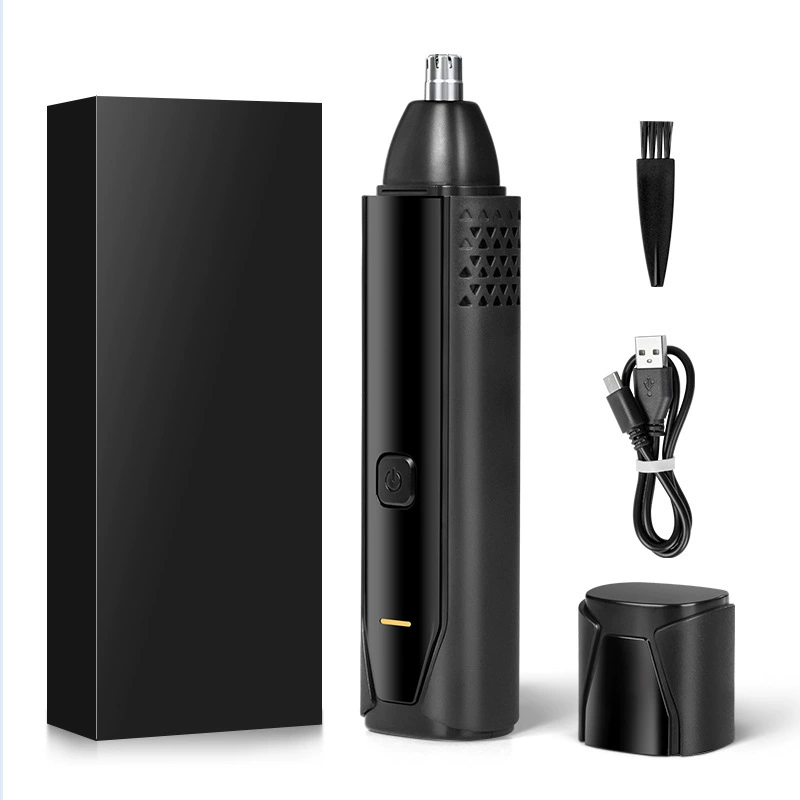
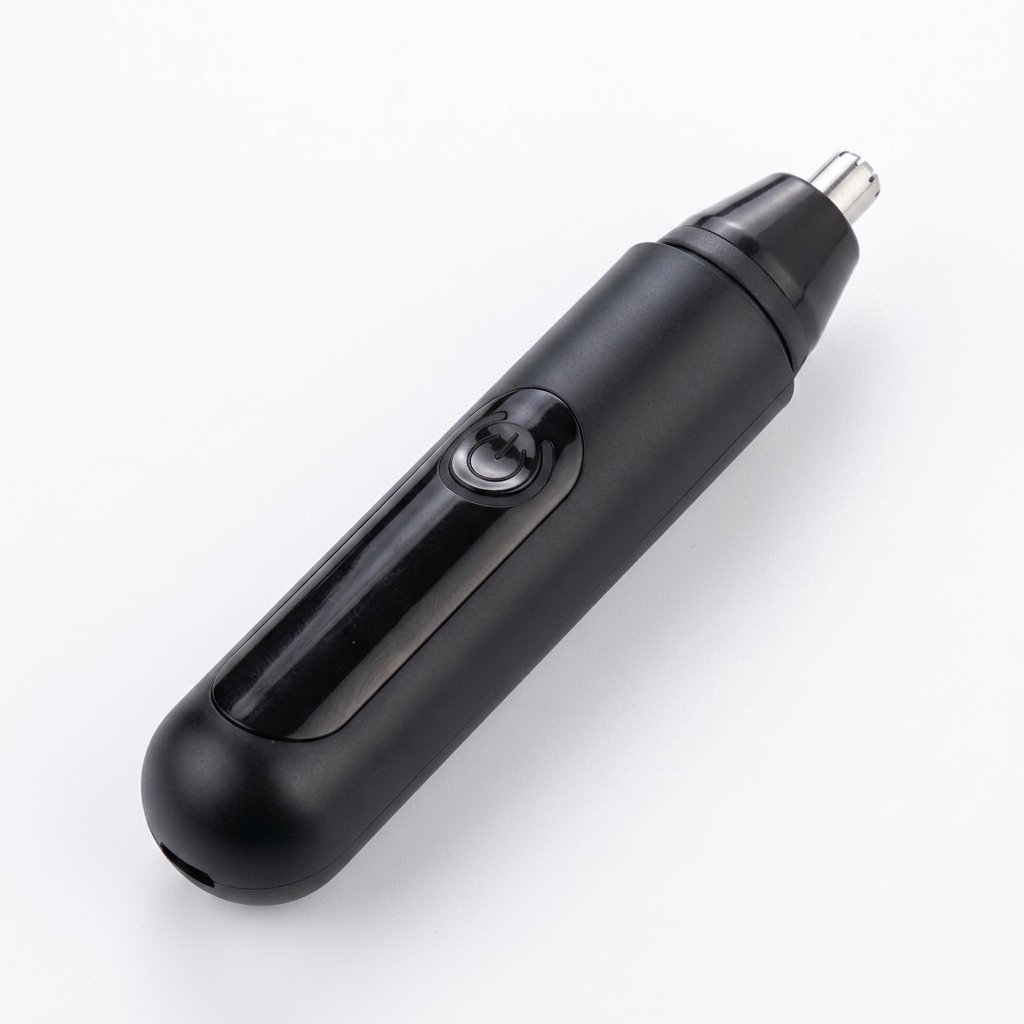
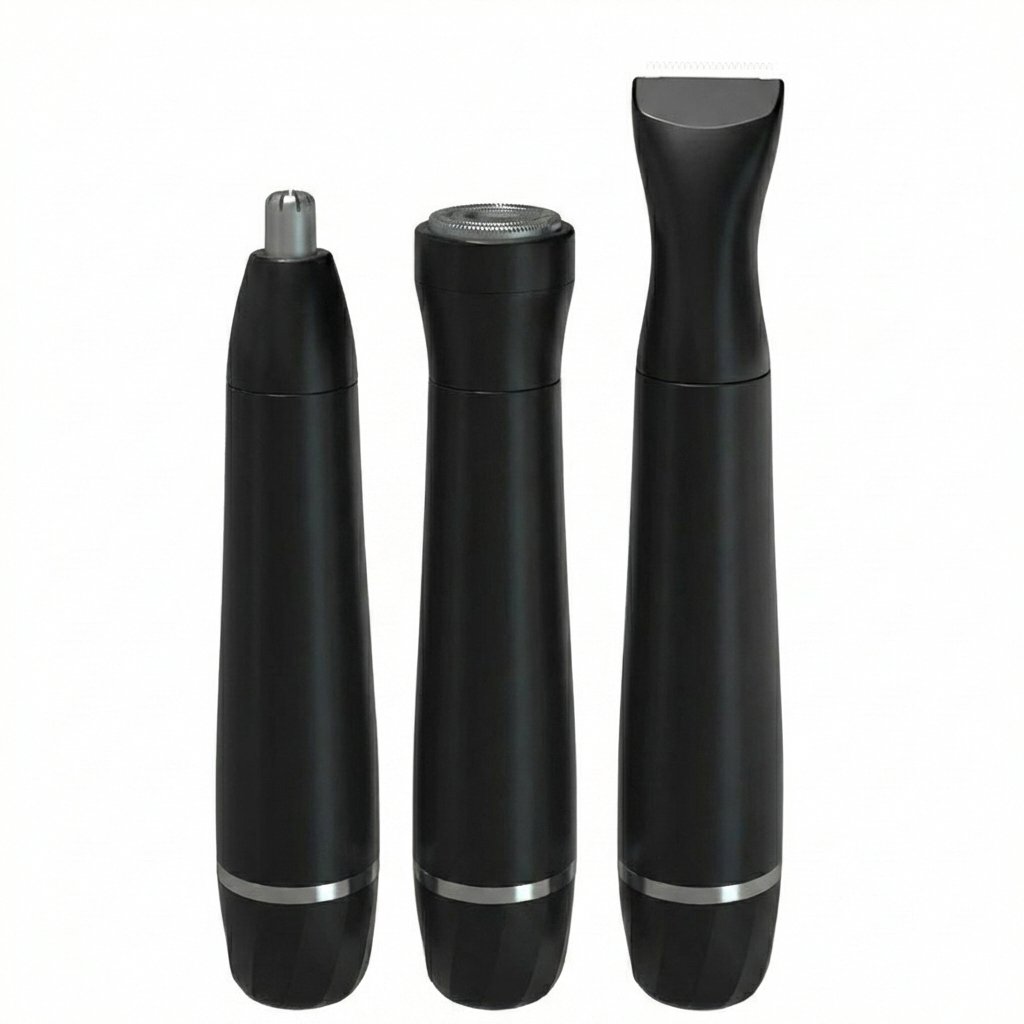
Every product below has IPX7 certification at the assembled-device level — not just the blade head. They’re all USB-C charged and cleared for shower use and daily rinse cleaning.

How to Clean an IPX7 Nose Hair Trimmer Correctly
Proper cleaning extends blade life from 12 months to 18+ months and eliminates bacteria buildup in the blade housing. The process for an IPX7 model is straightforward.
- After each use: detach the head and rinse under the tap. Most heads remove with a quarter-turn (counterclockwise). Hold the head under running cold water for 10–15 seconds. The IPX7 seal handles this without any water ingress to the motor. Shake off excess water.
- Weekly: use the included cleaning brush for the blade housing. Hair accumulates between the inner blade and outer guard. The cleaning brush reaches these spaces that water alone won’t fully clear. Takes 30 seconds.
- Monthly: inspect the blade for drag. If the trimmer is pulling rather than cutting, the blade is losing edge. This is normal at 12–18 months of regular use. Replacement blade heads are the fix — not pressing harder or cleaning more.
- Never use soap or cleaning solutions inside the blade head. Surfactant residue inside a trimmer head can cause nasal irritation. Water rinse is sufficient and appropriate for a food-contact-adjacent surface like a nasal trimmer.
- Allow to air dry before storing. Store with the cap on if included. Don’t store in a closed case while still wet — moisture trapped inside accelerates corrosion at the blade head connection point.
All Noziq trimmers carry IPX7 certification
IPX7 at the assembled-device level is our minimum specification. Not the blade head — the complete device. Every product ships with the certification documentation.
See All Noziq Products →Frequently Asked Questions
More Resources
Related Articles
- Post-Workout Nasal Care: Why a Waterproof Nose Hair Trimmer Is Every Gym Enthusiast’s Hidden Necessity
- No Time to Trim Nose Hair in the Morning? Choose a “30-Second Trim + USB Fast Charging” Trimmer
- Beyond Panasonic: Our USB Rechargeable Nose Hair Trimmer Solves 3 Key Pain Points
- Long-Term Storage and Maintenance for Nose Hair Trimmers: Battery and Blade Protection Guide
- Waterproof Nose Hair Trimmer: The Complete Guide