How to Trim Nose Hair Safely — The Complete Guide
Most people trim nose hair wrong — either going too deep, plucking instead of cutting, or skipping the cleaning step that dulls the blade within a month. This guide covers the correct technique in 5 steps, how often to trim, what to never do, and how to keep a trimmer working well for years.
Nose hair trimming cuts the visible portion of nasal hair protruding from the nasal opening, removing the cosmetic concern without affecting the filtering function performed by hair deeper inside the nasal cavity. A rotary trimmer cuts hair at the surface without pulling from the root, leaving the follicle and nasal lining completely undisturbed. The key distinction is between trimming — surface only, safe — and plucking, which removes hair from the follicle and creates a small wound inside the nasal cavity.
Nasal hair has two jobs: filtering airborne particles and humidifying air before it reaches the lungs. Trimming only the visible, protruding hair — the part that catches the eye in the mirror — leaves the interior hair untouched and those functions intact. You never need to insert a trimmer deeper than you can see.
How to Trim Nose Hair — 5 Steps
The full technique from setup to cleanup. Takes under 2 minutes once you’ve done it twice.
Stand facing a window in daylight, or position yourself directly under overhead bathroom lighting. Good lighting is the most important setup step — it’s the only way to see exactly which hairs are actually protruding and need trimming, versus hairs that are inside the nasal cavity and should be left alone.
Nasal hair that is wet or damp from a shower clumps together into thicker bundles. When the blade catches a clump instead of individual hairs, it pulls rather than cuts — which is uncomfortable and the main cause of the “trimmer hurts” complaint. If you’ve just showered, wait 2 minutes or gently blow your nose before trimming.
Turn the trimmer on while it is still outside the nose, then gently insert it. The reason: if you insert a stationary blade and then activate it, the initial spin catches any hair that has entered the blade gap — creating a brief but sharp pull. Starting the motor first means the blade is already at full speed when it makes contact, and hair is cut rather than caught.
Once inserted, rotate the trimmer slowly in a full 360-degree circle. The rotary blade cuts hair as it passes through the guard opening during the rotation. One full, slow rotation per nostril is enough for a complete trim in most cases. If you can see remaining visible hairs after the first rotation, do a second — but resist the urge to rush or press harder, which creates irritation without improving the trim.
Hold the trimmer head under warm running water for 10 seconds immediately after finishing, while the motor is still running. The spinning blade flushes nasal debris — hair fragments, skin oils, and small amounts of mucus — out through the guard vents. Letting this material dry on the blade is the single biggest cause of early blade dulling, which leads to pulling. Ten seconds of rinsing after every use extends blade life from 2–3 months to 6–12 months.
What Never to Do with Nose Hair
Three practices that cause real harm — not just discomfort.
- Never pluck nose hair with tweezers or fingers. Plucking removes hair from the follicle, creating a small open wound inside the nasal cavity. The nasal area is part of the face’s “danger triangle” — a region where veins connect more directly to the cavernous sinuses near the brain. Nasal follicle infections in this region carry a small but genuine risk of spreading to these structures. Trimming has no such risk because the follicle is never touched.
- Never use scissors inside the nasal cavity. Scissors require precise hand-eye coordination in a dark, curved space. Even nail scissors slip. Any contact between scissor blades and nasal tissue causes cuts that take days to heal and are highly susceptible to infection from nasal bacteria. The outside edge of the nostril is the only safe location for scissors.
- Never over-trim. Trimming more than twice a week, or inserting the trimmer deeper than the visible zone, removes hair that performs an active filtering function. Nasal hair traps allergens, dust particles, and airborne pathogens before they reach the airway. People who over-trim frequently report increased nasal dryness, irritation, and susceptibility to colds and sinus issues.
How Often Should You Trim Nose Hair?
The right frequency depends on hair growth rate, coarseness, and personal grooming standards — not a universal rule.
Once a week covers most people. Every 3–5 days for faster-growing or coarser nasal hair. Never more than twice a week — nasal hair performs a filtering function and excessive removal reduces its effectiveness.
Does nose hair grow back faster after trimming?
No. This is a common misconception. Trimming cuts hair at the surface and has no effect on the follicle, which determines growth rate and thickness. Hair appears to grow back faster after trimming because the blunt-cut tip is more noticeable than a natural tapered tip — but the actual growth rate is identical before and after trimming.
Does nose hair grow faster as you age?
Yes — and this is well-documented. Androgens (testosterone-related hormones) stimulate hair growth in nasal and ear follicles over time. Men in particular notice significantly increased nasal hair growth in their 40s and beyond. This is a normal hormonal response, not a health concern. It simply means trimming frequency may need to increase with age.
How to Clean a Nose Hair Trimmer
The single most important thing you can do to extend blade life and prevent pulling. Takes 10 seconds.
Hold the running blade head under warm water for 10 seconds immediately after trimming. Keep the motor on — the spinning blade flushes debris through the guard vents. Shake out excess water and lay flat or hang upside down to air dry. Never store while wet.
If you notice the blade pulling rather than cutting cleanly, it is either dull or has built-up residue in the blade gap. Try a longer rinse (30 seconds with motor running) first. If pulling continues, the blade needs replacing — most rotary heads are replaceable without replacing the entire trimmer.
No soap on the blade head — residue attracts debris and accelerates dulling. No cotton swabs inside the blade gap — fibres catch in the mechanism. No compressed air — drives debris deeper into the motor housing. No alcohol wipes on the blade — alcohol degrades the lubricant on the cutting edge.
IPX5 means you can rinse the detachable head under a stream of water — but do not submerge the motor housing. IPX7 means the entire unit can be submerged to 1 metre for 30 minutes, so you can rinse the whole trimmer. Check your trimmer’s rating before rinsing the body.
Rotary vs Linear Nose Hair Trimmer — Which Is Better?
The blade type is the most important spec to check before buying. It determines whether the trimmer pulls.
- Blade spins inside a rounded guard — never contacts skin wall
- Cuts hair as it passes through guard openings during rotation
- Zero pull when blade is clean and sharp
- Works for nose, ear, and eyebrow use
- Quieter motor — less vibration on nasal tissue
- The industry standard for quality trimmers
- Blade moves back-and-forth in a straight line
- Cuts faster — but the blade edge is more exposed
- Higher pull rate, especially as blade dulls
- More likely to pinch nasal tissue in the cutting gap
- Common in cheaper trimmers without a clear type label
- Some people find them comfortable — but more risk
How to tell which type you have: Look at the blade head. A rotary trimmer has a rounded circular head with a guard that surrounds the blade — the blade is never directly visible. A linear trimmer has a visible straight blade edge, similar in appearance to a tiny pair of clippers. If your trimmer pulls and you can see the blade edge directly, it is almost certainly linear.
Best Nose Hair Trimmers for This Technique
All rotary blade, all USB-C or battery powered, all tested for zero pull over 8 weeks of daily use.

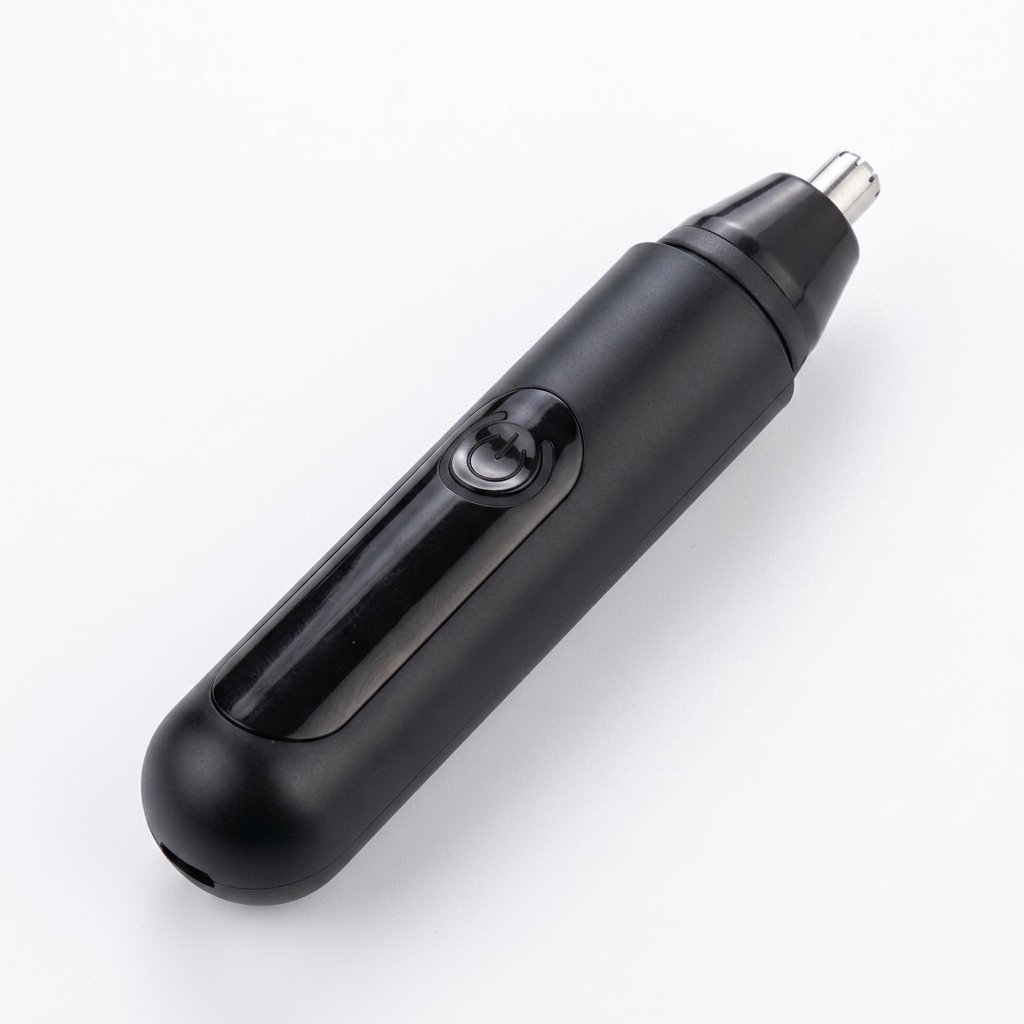
USB-C Rechargeable Nose Hair Trimmer – Painless Rotary Blade, Washable
Zero-pull rotary, full-body waterproof for easy rinsing, 30-day battery. The safest trimmer to use with the technique above.
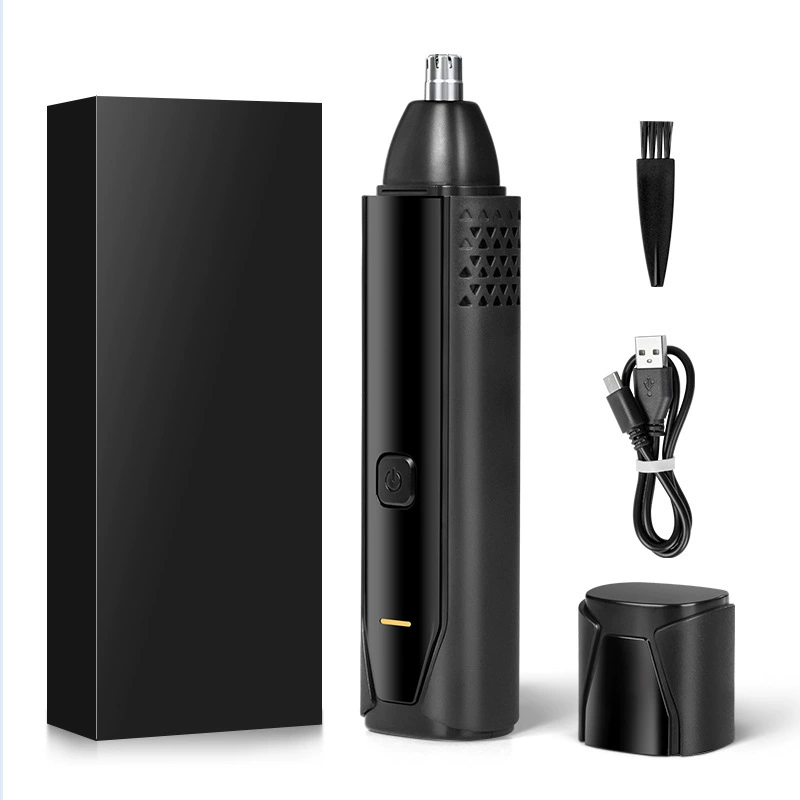
Electric Nose Hair Trimmer with LED Battery Display – USB-C
LED charge indicator means you always know when to charge — no mid-groom surprises. Pull-free rotary blade, rinse-clean design.
Waterproof Nose Hair Trimmer – IPX7 Rated, Travel-Ready, USB-C
IPX7 full submersion — rinse the entire trimmer under the tap without removing any head. The easiest cleaning routine of any trimmer we tested.
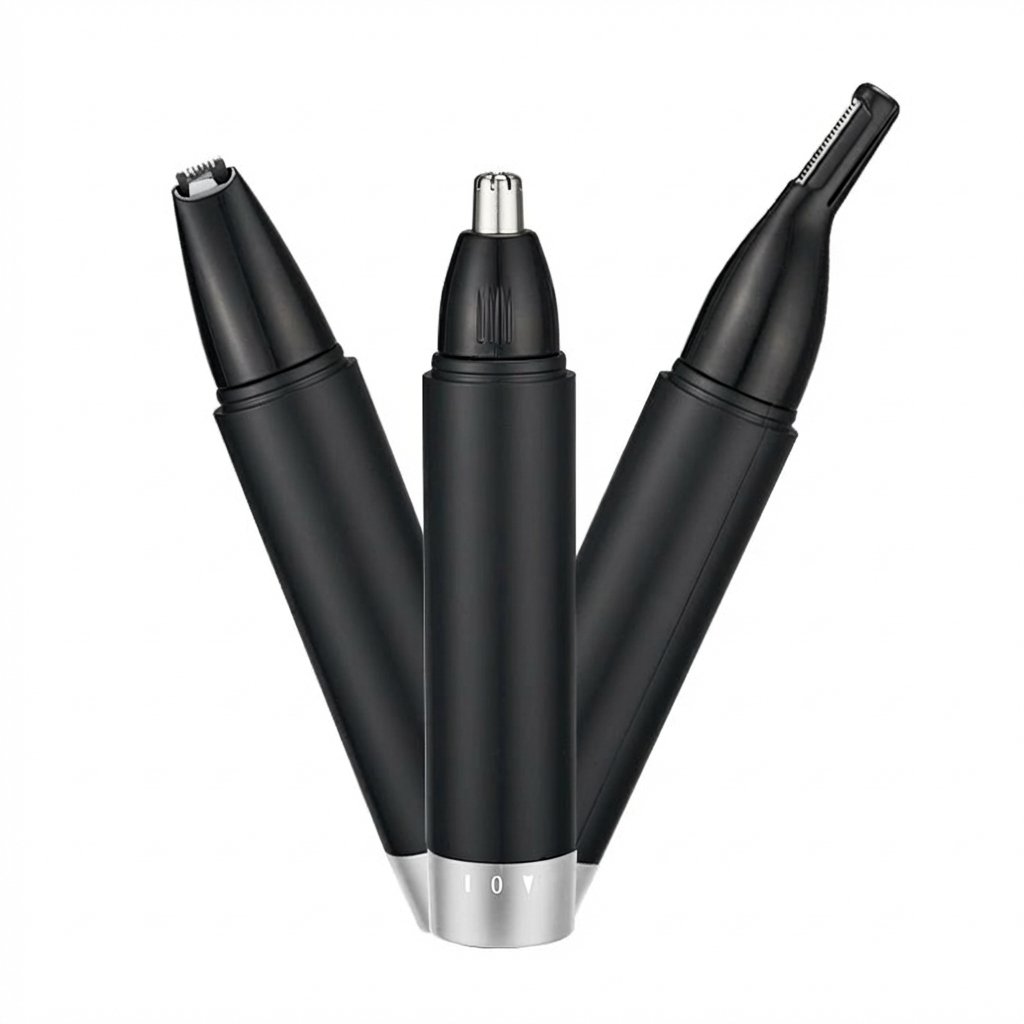
3-in-1 Nose, Ear & Eyebrow Trimmer – Battery Powered, No Charging Needed
AA batteries — no cable to pack. 4–6 months of weekly trims per set. Covers nose, ear, and eyebrow in one head.
Go Deeper — From the Noziq Grooming Blog
Three articles that expand on topics covered in this guide.
How rotary blade geometry works, why blade steel quality determines pull rate, and what actually happens at the cutting edge — explained without jargon.
Ten practical tips from real users — on technique, maintenance, travel packing, and extending blade life beyond the manufacturer’s stated timeline.
Why the best trimmers do fewer things better, what features actually matter versus marketing, and how to read a spec sheet without being misled.
The technique in this guide is what I tell every person who asks me why their trimmer pulls. Ninety percent of the time the answer is one of two things: they’re inserting the trimmer while stationary and then turning it on, or they haven’t rinsed the blade after use in weeks. Both are fixable in under a minute. I’ve been trimming nose hair for 20 years and testing trimmers professionally for 5 — the five steps above are the result of that testing distilled to what actually matters. Nothing in here is based on theory. It’s all based on what happens when you skip a step.
Ready to try a pull-free trimmer?
All Noziq trimmers use the rotary blade system described in this guide.
- Free US shipping on every order
- 3-year return & exchange policy
- Rotary blade trimmers from $5.99
Nose Hair Trimming FAQ
Once a week covers most people. Those with faster-growing or coarser nasal hair may prefer trimming every 3–5 days. Never trim more than twice a week — nasal hair performs an active filtering function, trapping airborne particles before they reach the airway. Trimming more frequently than twice a week reduces this filtering capacity and can cause nasal dryness and irritation from the constant presence of a device in the nasal cavity.
Yes — trimming with a quality rotary trimmer is completely safe. The rounded guard head prevents the blade from contacting the nasal skin wall, and the process only removes hair that is already at or above the nasal opening. The unsafe alternatives are plucking (creates a wound at the follicle, infection risk) and scissors inside the nasal cavity (slip risk in a dark, curved space). For ear hair, the same rotary trimmer is equally safe — see our for specifics.
Always cut — never pluck. Plucking removes the hair from the follicle, creating a small open wound inside the nasal cavity. The nasal area sits within the face’s “danger triangle” — a region where veins connect more directly to blood vessels near the brain than elsewhere on the face. Nasal follicle infections in this region carry a higher risk of spreading. This is not a theoretical risk: nasal folliculitis from plucking is a documented clinical presentation. Cutting with a rotary trimmer leaves the follicle completely undisturbed.
Pulling happens for three reasons: the blade is dull (replace after 6–12 months of regular use), the blade is clogged with dried debris (rinse after every session with motor running), or you are inserting a stationary trimmer and turning it on inside the nose (insert with motor already running). The third cause is the most common and the most easily fixed. A quality rotary trimmer that is regularly cleaned and inserted with the motor running should produce zero pull events.
Nothing harmful — nose hair serves an active biological function and not trimming is perfectly healthy. Nasal hair filters dust, allergens, and airborne pathogens; humidifies air before it reaches the airway; and traps larger particles that would otherwise irritate the nasal lining. Trimming only the visibly protruding portion — the hair at or above the nostril opening — removes the cosmetic concern without reducing the filtering function, which is performed by hair much deeper in the nasal cavity.
Hold the running blade head under warm water for 10 seconds immediately after every use. Keep the motor running during rinsing — the spinning blade flushes debris out through the guard vents; a stationary blade traps it. Shake out excess water and let the trimmer air dry completely before storing. For IPX7-rated trimmers, rinse the entire unit. Avoid soap on the blade head — soap residue in the blade gap attracts debris and accelerates edge dulling. Do not use cotton swabs or compressed air inside the blade mechanism.
Yes. The rotary head that handles nose hair works equally well for ear hair — the ear canal and nasal cavity have similar diameters and the same pull-risk profile if a dull or dirty blade is used. The same technique applies: start with the motor running, rotate slowly one full circle, rinse immediately after. For dedicated ear hair trimmers with dual-blade designs optimised for the ear canal shape, see our.
Related Articles
- How to Use a Nose Hair Trimmer: A Complete Guide
- How to Use Nose Hair Trimmer Safely: Essential Tips for First-Time Users
- Long-Term Storage and Maintenance for Nose Hair Trimmers: Battery and Blade Protection Guide
- No Time to Trim Nose Hair in the Morning? Choose a “30-Second Trim + USB Fast Charging” Trimmer