Best Nose Hair Trimmer for Men
What Actually Works
A former QC engineer explains the specs that separate a useful daily tool from one that ends up in a drawer after a month.
The Honest Guide to Nose Hair Trimmers for Men
A nose hair trimmer for men is a compact electric grooming tool using a rotary blade to safely shorten nasal, ear, and brow hair without pulling or cutting skin. The best models for men feature dual-edge rotary blades at 10,000–13,000 RPM, IPX7 waterproof certification for shower use and rinse cleaning, and USB-C charging. Price range: $20–$45 depending on function count.
Most men own a nose hair trimmer they’ve had for years and use without thinking about it — until it starts pulling, or they notice stubble a trimmer passes over without cutting. The good news: the upgrade isn’t expensive, and the difference in daily experience is immediately noticeable.
This guide covers what to look for, what not to waste money on, and which Noziq products match specific use cases. No brand-speak. Just the parameters that matter.
Why Nose Hair Becomes More of a Problem After 35
Nasal hair growth increases with age due to shifts in androgen levels — specifically testosterone-influenced hair follicle activity. After 35, most men notice thicker, faster-growing nasal and ear hair. After 50, this acceleration is more pronounced.
The function of nose hair matters here. Nasal cilia filter particulates, humidify air, and protect the sinus passages. They should be trimmed regularly — every 3–5 days for most men — but never removed. Waxing or pulling nose hair creates micro-tears in the nasal mucosa and removes the protective filter entirely.
The correct approach: Trim 3–5mm below the nostril entrance with a rotary blade. Leave the deeper cilia alone. A properly designed trimmer does this automatically — the 5mm guard depth handles the calculation for you.
This is why the type of trimmer matters more than the brand. The tool needs to trim at the right depth and stay reliably painless across different hair thicknesses.
What Actually Matters When Choosing a Men’s Nose Hair Trimmer
These are the five parameters I check every time I evaluate a product. Everything else — color, case design, brand name — is secondary.
The fifth parameter is guard design. The outer protective guard should keep the blade at a fixed distance (3mm minimum) from the skin, regardless of insertion angle. Guards that are adjustable or loose introduce the possibility of blade contact with nasal tissue.
Which Trimmer Type Fits Your Routine
Morning routine, 30 seconds
A dedicated nose-only rotary trimmer. Compact, one-button, rinse clean in 10 seconds under a tap. No attachments to swap. For the man whose bathroom counter is already crowded.
Frequent traveler
Compact body under 13cm, USB-C charging (same cable as the laptop), IPX7 so a hotel bathroom doesn’t damage it. Does not need a separate charging adapter or batteries.
Nose + Ear + Brow coverage
A 3-in-1 or 6-in-1 model with interchangeable heads. More maintenance surface covered with one tool. Slightly heavier, but replaces multiple single-function tools.
How to Pick the Right Nose Hair Trimmer for Men
Check blade type first
Look for “dual-edge rotary” in the specs. Single-edge rotary works but requires more passes. Foil blades are designed for flat surfaces — not optimized for the curved interior of a nostril.
Verify IPX7 — not just “waterproof”
The word “waterproof” without an IPX number is unverified. IPX5 handles splashes but not full immersion. IPX7 allows complete rinse cleaning and short-term shower use. IPX7 is what you want.
Confirm USB-C (or understand the trade-off)
If the listing says USB-C, verify the cable is Type-C and not proprietary. AA battery trimmers are a valid choice for infrequent users who want zero-maintenance — the battery lasts months between replacements.
Look up motor RPM
Aim for 10,000–13,000 RPM. If RPM isn’t listed in the specs, that’s a signal — quality manufacturers publish this number. Budget models often omit it because the number is low.
Check if the guard depth is fixed or adjustable
Fixed-depth guards that stop at 5mm are safer than adjustable ones. For daily use, adjustability doesn’t add value — it adds a step you’ll skip. For coarse or longer hair, a slightly longer fixed guard (7mm) works better.
Noziq Men’s Trimmer Picks by Use Case
Every product below has been evaluated against the same five-parameter checklist. IPX7 and dual-edge rotary are non-negotiable on all of them.

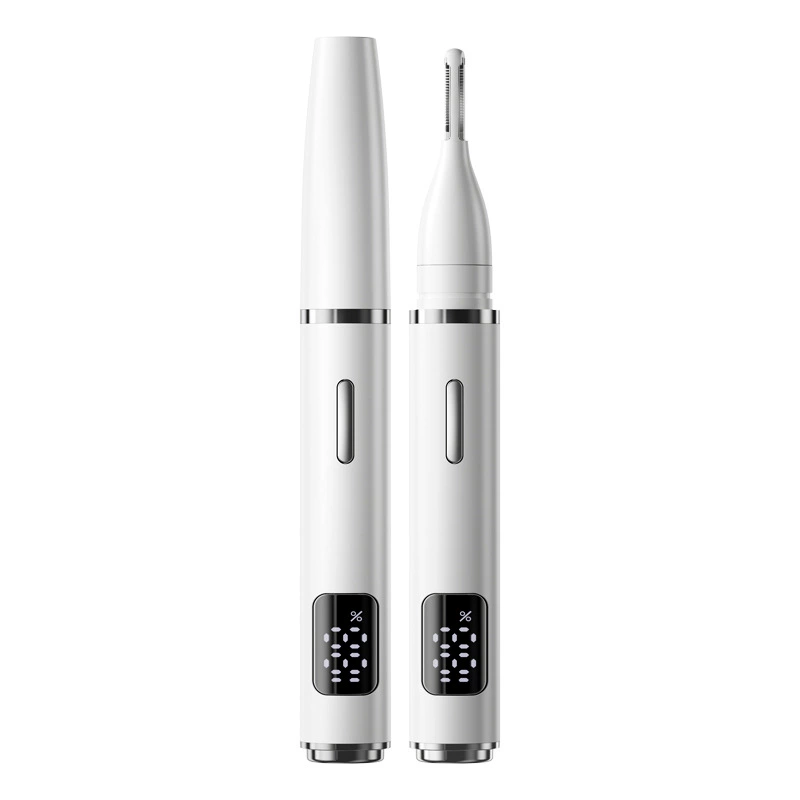
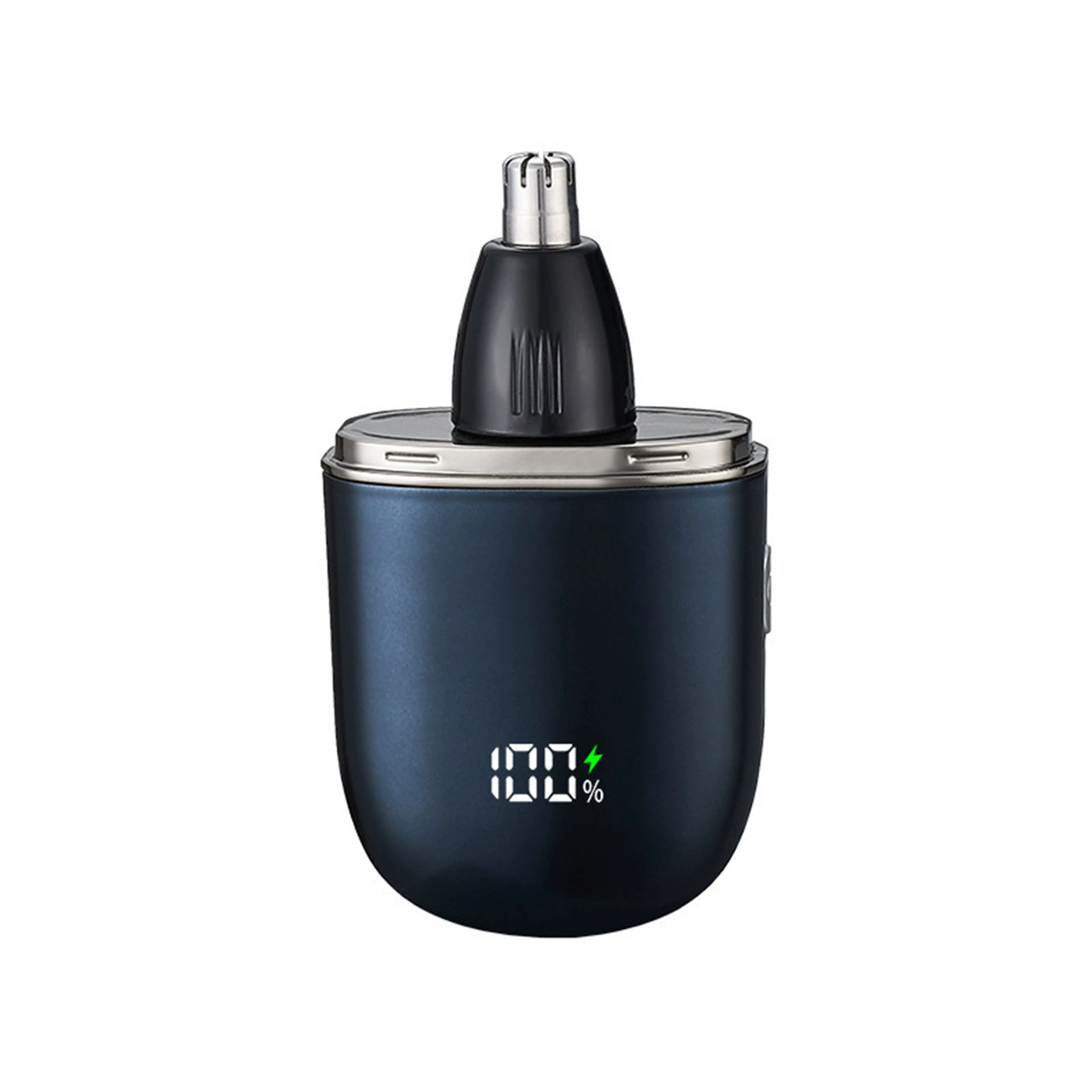
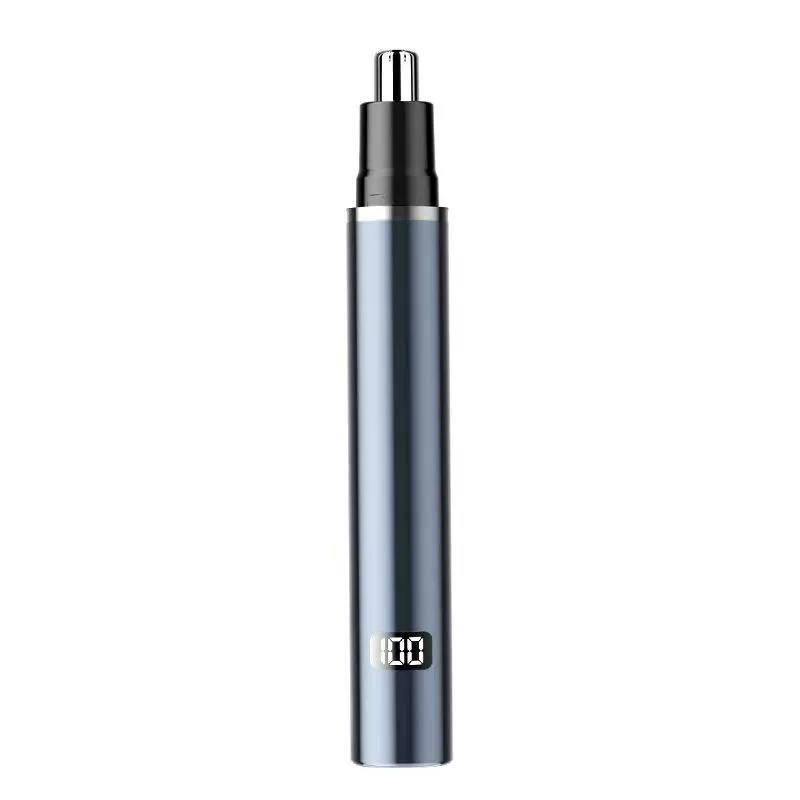
Men’s Trimmer Comparison
| Model | Price | Functions | Motor | Charging | IPX7 |
|---|---|---|---|---|---|
| USB-C Rotary (NHT01) | $24.99 | Nose only | 13,000 RPM | USB-C | ✓ |
| 3-in-1 Shaver (NHT03-001) | $34.99 | 3 heads | 10,000 RPM | USB-C | ✓ |
| 6-in-1 Set (NHT03-002) | $39.99 | 6 heads | 10,000 RPM | USB-C | ✓ |
| Digital Display (NHT01-003) | $27.99 | Nose only | 13,000 RPM | USB-C | ✓ |
Not sure which one to pick?
If you trim nose hair only and want a simple daily tool: NHT01-001. If you also want ear and brow coverage in one kit: NHT03-002. Both have the same IPX7 and USB-C spec.
See Full Comparison →Frequently Asked Questions
Related Articles
- Why Choose the Best Men’s Nose Hair Trimmer? A Complete Guide
- Rotary vs. Oscillating Blades: Which Men’s Nose Hair Trimmer Is Better for Sensitive Nostrils?
- Men’s Morning Grooming Efficiency Guide: Should Nose Hair Trimming Come Before or After Cleansing & Shaving?
- Why a Nose Hair Trimmer for Men Perfectly Complements Your Razor and Beard Trimmer