
As someone who has spent over five years in the personal grooming industry and tested nearly a hundred trimming tools, I’ve noticed that many people approach nose hair care by “going with their gut.” Some think trimming is no big deal, while others follow misleading advice. The result? Instead of proper care, they often end up damaging their nasal passages.
Based on my professional experience and real user feedback, I’ll break down three of the most common myths about nose hair trimming and explain how to use a nose hair trimmer properly to avoid health risks.
Myth 1: Trimming Nose Hair Down to the Root – Safe Length Matters
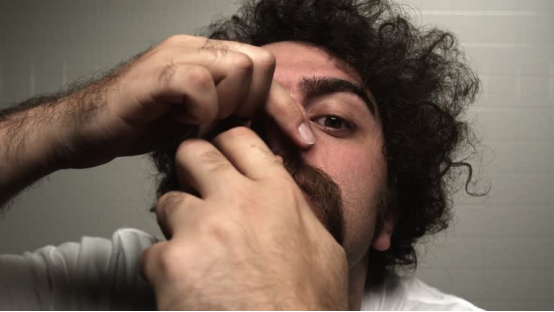
“I hate seeing nose hair stick out, so I just cut it all off.”
This is the most common message I’ve received—and also the riskiest mistake.
One customer told me he used small scissors to cut nose hair right against the nasal wall. The result? Constant sneezing, dryness, and discomfort. A doctor later confirmed his nasal lining was damaged.
The truth: nose hair is the first line of defense for your respiratory system. It filters dust and pollen, maintains moisture, and protects against irritation. Cutting too close with scissors not only risks injury but also weakens this natural barrier, raising the chances of infection and allergies.
The safe practice is to leave 1–2 mm of length, and the KONKA Professional Nose Hair Trimmer is designed precisely for this.
Its 360° dual-blade rotary head trims exposed hair only, never touching sensitive inner tissue.
The protective outer ring keeps trimming gentle yet effective, even for coarse strands.
An antibacterial coating ensures hygienic use after rinsing.
A Type-C fast-charging battery lasts 2–3 weeks per charge, ideal for travel.
One user who had nasal irritation told me after switching:
“Now I trim without worry—no pain, no dryness, and fewer sneezes.”
Myth 2: Men and Women Can Use the Same Tool – Overlooking Key Differences
It’s common for households to share a trimmer, but male and female needs are very different:
Men: larger nasal passages, thicker and faster-growing hair.
Women: smaller nasal passages, finer facial hair, and often the need for eyebrow or peach fuzz trimming.
Using the wrong size or design can be inconvenient and even ineffective.
That’s why the 3-in-1 LED Nose Hair Trimmer is so versatile:
Three interchangeable heads: slim 8 mm tip for nose hair (ideal for smaller nasal passages), a rounded ear-hair head, and a precision head for eyebrows or fine facial hair.
360° rotary trimming that handles even coarse hair without tugging.
Built-in LED light illuminates hidden hairs for accuracy.
IPX5 waterproof design and USB charging, so it’s easy to clean and convenient for travel.
A couple I know both use this model. The wife loves that it replaces multiple tools in her cosmetic bag, while the husband says:
“The LED makes trimming quick and precise—even when I’m rushing in the morning.”
Myth 3: Using Scissors or Razors Instead of a Trimmer – A Risky Shortcut
“I don’t own a trimmer, so I just use scissors or a razor.”
I’ve seen this mistake too many times, and it often leads to cuts, infections, or poor results.
Scissors: sharp edges can easily scratch the nasal lining.
Razors: thin blades can pull hairs from the root, causing pain and irritation.
Professional nose hair trimmers avoid these risks. Models like the KONKA or 3-in-1 have rounded protective tips that prevent accidental nicks. The rotary blade system cuts hairs cleanly without pulling.
In my own test:
Scissors took about 10 minutes and still left strays.
The 3-in-1 LED trimmer handled nose hair and brows in under 5 minutes—safely and efficiently.
3 Keys to Safe and Effective Nose Hair Trimming
Choose the Right Tool
For focused nasal care: KONKA Professional Nose Hair Trimmer
For multipurpose use (nose, ears, brows): 3-in-1 LED Nose Hair Trimmer
Keep It Clean
Rinse detachable heads after each use.
Disinfect weekly with alcohol wipes to prevent bacteria buildup.
Trim at the Right Frequency
Every 2–3 weeks is ideal.
Over-trimming weakens natural nasal defense.
Final Take: Grooming Habits Reflect Health Awareness
Nose hair trimming may seem like a small detail, but it’s tied directly to nasal health. I’ve seen too many people injured by myths, and just as many who improved their routine with the right nose hair trimmer.
If you’ve made these mistakes before, consider switching to a professional tool like the KONKA or 3-in-1 LED model. If you already trim correctly, share your tips in the comments—whether it’s your favorite trimmer or grooming routine. Together, we can make nose care safe, effective, and effortless.