
The Evolution of Personal Grooming Tools
Personal grooming has always reflected cultural attitudes toward hygiene and appearance. While razors and electric shavers transformed beard care decades ago, nose hair trimmers have quietly followed a parallel path. What was once a simple, utilitarian tool is now becoming smarter, safer, and more stylish. In the U.S. grooming market—valued at over $80 billion annually—nose hair trimmers are shifting from an afterthought to an essential part of men’s and women’s grooming routines.
Why Nose Hair Trimmers Matter
Many consumers underestimate the importance of nose hair grooming until it directly affects confidence. Visible nose hair can quickly undermine an otherwise polished appearance. Unlike tweezers or scissors, modern nose hair trimmers provide a safer, faster, and more comfortable way to handle this small but critical detail. As grooming standards rise in both professional and social settings, demand for reliable, precise trimming solutions continues to grow.
Key Trends Driving the Future of Nose Hair Trimmers
1. Smart Features and Digital Integration
The next generation of nose hair trimmers is moving beyond basic mechanics. We’re seeing prototypes with integrated sensors, LED precision lights, and even Bluetooth connectivity. Imagine an app that tracks trimming frequency, recommends maintenance schedules, or reminds you when it’s time to replace blades. These innovations align with broader consumer expectations for “smart living” products.
2. Ergonomic and Inclusive Design
Traditional trimmers were marketed almost exclusively to men. Today, manufacturers are adopting gender-neutral designs that focus on comfort, precision, and ease of use. Lighter builds, noise reduction, and adjustable trimming heads are making these tools more appealing across different age groups and genders.
3. Sustainability in Grooming
Eco-conscious consumers are pushing brands toward rechargeable batteries, recyclable materials, and longer-lasting stainless steel blades. Instead of cheap disposable models, the market is rewarding companies that prioritize durability and reduce environmental waste. This is particularly important for millennial and Gen Z buyers, who often rank sustainability alongside performance.
4. Precision and Safety Enhancements
Safety has always been the top priority in nose hair trimming. Future models are expected to feature dual-edge blades, hypoallergenic materials, and protective guards that prevent nicks while delivering a close cut. Some premium models are already using surgical-grade steel, ensuring both safety and hygiene.
5. Travel-Friendly and Multi-Use Designs
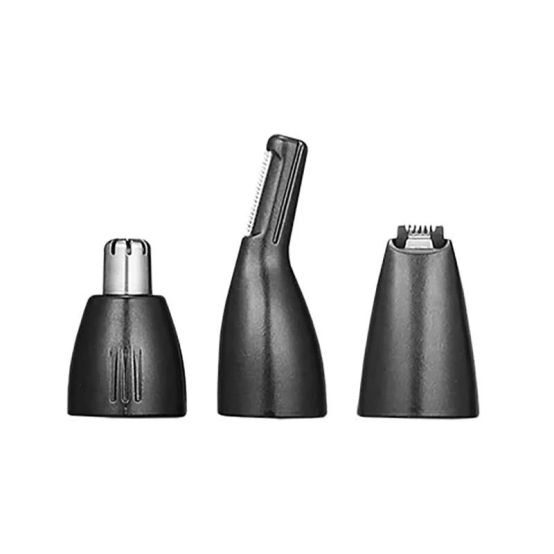
With more Americans traveling for work and leisure, compact and USB-rechargeable trimmers are rising in popularity. Many devices now serve multiple purposes, doubling as eyebrow, ear, or facial hair trimmers. This versatility appeals to consumers who prefer minimal clutter and maximum function.
The Market Outlook
According to recent U.S. consumer surveys, sales of personal grooming devices—including nose hair trimmers—are projected to grow steadily through 2030. Factors driving this trend include:
Increased awareness of self-care among men.
Expanding marketing campaigns targeting women.
Rising demand for affordable yet professional-grade grooming tools.
Integration of grooming into lifestyle branding, from fitness to fashion.
This positions nose hair trimmers as not just a grooming necessity, but a category with room for innovation and premiumization.
How Consumers Can Choose the Right Nose Hair Trimmer
When shopping for a trimmer, U.S. consumers typically weigh five key factors:
Power Source – Rechargeable vs. battery-operated.
Blade Quality – Stainless steel or hypoallergenic materials.
Design – Ergonomic, lightweight, and comfortable in hand.
Multi-functionality – Ability to trim ears, brows, and facial hair.
Price vs. Durability – Balancing affordability with long-term reliability.
Strategic Opportunities for Brands
For companies in the grooming space, the future of nose hair trimmers lies in brand differentiation. Success will come from:
Leveraging authentic customer reviews and expert endorsements to build trust.
Investing in content marketing—such as grooming guides, tutorials, and comparison blogs—to educate buyers.
Highlighting innovation and sustainability as key selling points.
Offering subscription models for blade replacement or device upgrades.
By positioning nose hair trimmers as part of a holistic self-care routine rather than a niche product, brands can increase customer loyalty and market share.
Conclusion: Grooming Goes High-Tech
The humble nose hair trimmer is evolving into a tech-driven, design-conscious, and sustainable grooming tool. As consumer expectations rise, the industry has an opportunity to elevate this product category from basic necessity to lifestyle essential. For consumers, that means safer, smarter, and more stylish options. For brands, it signals a market ripe for innovation and long-term growth.