
Navigating the world of nose hair trimmers can raise many questions for your personal care routine. From choosing the right type to using it safely and maintaining it properly, having clear answers is essential. This comprehensive FAQ guide tackles the 30 most common and critical questions, providing expert insights to help you make informed decisions, use your trimmer with confidence for painless hair removal, and ensure it lasts.
Part 1: Buying Guide – 8 Key Questions
1. Electric vs. Manual (Scissors/Tweezers): Which is better?
An electric nose hair trimmer is generally the superior choice for most people seeking a safe grooming tool. It’s faster, safer (with a protective guard), and easier to use, especially for beginners. Manual tools are cheap but require skill and carry a much higher risk of nicks, cuts, and ingrown hairs.
2. Is there a difference between men’s and women’s trimmers?
The core function is identical. Differences are primarily aesthetic (size, color) and sometimes in accessory attachments. Men’s models might be marketed as part of a larger grooming kit, while women’s may emphasize precise trimming for eyebrows. Choose based on your specific grooming needs, not gender.
3. What specs matter most when buying?
Focus on four key features for a reliable hygienic trimmer:
- Blade: Stainless steel or ceramic with a safety guard.
- Power: A reliable motor for consistent performance.
- Battery: Rechargeable with 60+ minutes of runtime is ideal for a quick trim anytime.
- Waterproofing: IPX5 or higher for easy to clean maintenance.
4. What’s the best nose hair trimmer under $50?
The “best” depends on your priority. Look for well-reviewed models that offer:
- For sensitive skin: Ceramic blades and quiet operation.
- For value: 2-in-1 (nose & ear) functionality.
- For durability: Stainless steel blades and replaceable heads.
5. Rechargeable vs. Battery-Operated: Which to choose?
Rechargeable trimmers are more convenient and eco-friendly for home use. Battery-operated models or battery-powered groomers are excellent for travel grooming or as a backup since you can swap batteries anywhere. Your lifestyle should dictate your choice.
6. Stainless Steel vs. Ceramic Blades: What’s the difference?
Stainless steel blades are durable and cost-effective. Ceramic blades stay sharper longer, are hypoallergenic, and provide an exceptionally smooth cut with less pulling, making them the best nose hair trimmer for sensitive skin.
7. Are 2-in-1 (Nose & Ear) trimmers worth it?
Absolutely. They offer great value and convenience as a multi-use groomer, eliminating the need for a separate tool. Ensure the ear hair attachment has a rounded safety tip to protect the delicate ear canal.
8. Are high-end trimmers (over $100) worth the price?
For most users, a quality mid-range trimmer is sufficient. Premium models justify their cost with features like smart sensors that adjust power near the skin, multiple speed settings, all-in-one grooming kits, and premium build materials. They are an investment for those seeking the ultimate precision grooming experience.
Part 2: Usage & Operation – 7 Key Questions
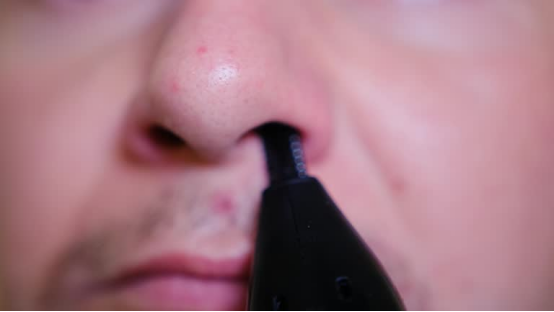
9. What’s the proper way to use a nose hair trimmer for the first time?
- Clean and dry nostrils.
- Turn on the trimmer.
- Gently insert the rotating tip (no more than 1/2 inch).
- Move it slowly in a circular motion, focusing on visible hairs.
- Turn off, clean the head, and store.
10. Does it hurt? How do I avoid nicks?
A quality trimmer used correctly should not hurt, offering a pain-free trim. To avoid nicks: always use a guard, don’t press too hard, and never use it on broken skin.
11. What’s the ideal length to trim to? Is trimming too short bad?
Only trim hairs visibly protruding from the nostrils. Never trim flush with the skin inside your nose. Nose hairs are a vital filter; removing them completely can increase allergy and infection risk.
12. How often should I trim?
Every 1-2 weeks, or as needed when hairs become visible—a simple quick trim. Over-trimming can irritate follicles.
13. Can I use one if I have sensitive skin or rhinitis?
Yes, but choose carefully. Opt for a gentle nose hair trimmer with ceramic blades and a quiet motor. Avoid use during active flare-ups when the nasal lining is inflamed.
14. Do I need lubricant or other aids?
No. The trimmer is designed to work on dry skin. Using sprays or gels can gum up the mechanism.
15. Can children (12+) use adult trimmers?
With supervision, yes. Choose a compact, quiet model suitable for precise grooming. There are few “child-specific” trimmers, so select a gentle adult model.
Part 3: Maintenance & Lifespan – 6 Key Questions
16. How do I clean it? Should I clean it after every use?
Yes, cleaning after each use is best for hygiene, making it an easy to clean tool. For waterproof trimmers, rinse the head under tap water. For non-waterproof models, use the provided brush to remove hair. A weekly wipe with an alcohol pad disinfects.
17. Do I need to replace the blade? How often?
Yes, blades are consumables. Replace ceramic blades every 1-2 years and stainless steel blades every 6-12 months, or when you notice pulling or dull performance, to maintain your safe grooming tool.
18. What’s the battery lifespan? How do I extend it?
A lithium-ion battery lasts 2-3 years with proper care. To extend life: avoid full discharges, don’t leave it plugged in constantly, and store it partially charged if not using for months.
19. How should I store a trimmer I’m not using?
Clean it thoroughly, ensure it’s completely dry, and store it in its case or a dry place away from extreme temperatures as part of good personal care practice.
20. Why is it stuttering or losing power?
Common fixes: clean the blade head, recharge or replace batteries, or replace a worn-out blade. If problems persist, the motor may be faulty.
21. Can I submerge a “waterproof” trimmer?
Most are rated for rinsing, not submersion. Rinse under running water and dry immediately. Do not soak it.
Part 4: Safety & Results – 4 Key Questions
22. Can it damage nasal lining or cause ingrown hairs?
Not if used correctly with a guard. It cuts hair above the skin line, unlike plucking, which can damage follicles and cause ingrown hairs.
23. Why does my nose feel dry/itchy after trimming?
Trimming can temporarily irritate or dry the nasal lining. A saline nasal spray can help moisturize. The sensation usually passes quickly.
24. Can it remove all nose hair? Should I remove the short stubble?
No, and you shouldn’t try. The short hairs inside your nose are functional. Only trim what you can see for a precise trim.
25. Is the noise harmful to hearing?
No. The sound is minimal and brief, posing no risk to hearing.
Part 5: Specific Scenarios – 5 Key Questions
26. What’s the best trimmer for frequent travel?
Look for a compact nose hair trimmer that is either rechargeable with a long battery life or uses common batteries (AAA). A travel case makes it a perfect travel grooming essential.
27. Are trimmers designed for left-handed users?
Most have an ambidextrous design. The cutting action isn’t dependent on hand orientation, so left-handed users can operate them without issue.
28. Can I use it on my beard or eyebrows?
It’s not recommended for precision grooming elsewhere. The blade and guard are designed for nostrils. Use dedicated facial hair trimmers or eyebrow scissors for better, safer results on other areas.
29. What’s the return policy if I’m not satisfied?
Reputable retailers and brand websites typically offer a return window (e.g., 30 days) for unused products. Always check the seller’s specific policy before purchasing your grooming kit.
30. Where is the best place to buy one to avoid fakes?
Purchase directly from the brand’s official website or authorized retailers. Avoid deals that seem too good to be true from unknown sellers, as counterfeit products often lack safety features.
For detailed comparisons, verified user reviews, and to explore a curated selection of top-rated models for sensitive skin or travel, you can visit the official Nose Hair Trimmer selection and shop here. It’s the most reliable way to find a trimmer that perfectly matches your personal care routine and budget.