
A nose hair trimmer is an essential personal grooming tool, often used until it completely fails. But waiting for a total breakdown is a mistake. An aging trimmer doesn’t just become ineffective—it can become uncomfortable and even unsafe for your sensitive nasal passages. Recognizing the early signs of decline is key to maintaining a safe, effective grooming routine. Here are the 7 critical signals that it’s time to retire your old model and upgrade to a reliable, high-quality nose hair trimmer from a trusted source like Best Nose Hair Trimmer.
1. Ineffective Cutting & Visible Stubble
A sharp nose hair trimmer should cleanly and effortlessly remove hair without leaving visible stubble at the nostrils. If you find yourself making multiple passes, pressing harder, or still seeing short hairs afterward, the blades are likely dull. Dull blades don’t cut; they tear and tug. Using a blunt trimmer forces you to over-maneuver it, which can irritate the delicate skin inside your nose. When performance drops, it’s more cost-effective and safer to invest in a new device with sharp, durable stainless steel blades than to struggle with an inferior tool.
2. Increased Noise & Excessive Vibration
A well-made electric trimmer should operate with a quiet, consistent hum. If yours has developed a loud, grinding, or rattling sound, or the vibration feels harsh in your hand, it’s a major red flag. This noise typically indicates a worn-out motor, loose internal components, or damaged gears. Excessive vibration is not just annoying; it can make precise trimming difficult and may precede a sudden mechanical failure that could snap or jerk unexpectedly. For a tool used near your face, smooth, quiet operation is non-negotiable for both comfort and safety.
3. Frequent Hair Pulling & Tugging Sensations
The cardinal rule of nasal grooming is pain-free trimming. If your sessions are now punctuated by sharp tugs or pulls that make you flinch, your trimmer is failing at its core function. This occurs when the blade’s cutting edges are too worn to meet cleanly, or the motor lacks the power for a quick, clean cut. Repeated pulling can cause micro-tears in the nasal mucosa, leading to irritation, minor bleeding, and an increased risk of infection. Experiencing this more than a couple of times is a clear sign that the grooming tool has reached the end of its safe service life.
4. Drastic Drop in Battery Life
Modern cordless nose hair trimmers are prized for their convenience. If a device that once held a charge for months now dies after one or two uses, the internal rechargeable battery is degrading. An aging battery doesn’t just inconvenience you with constant recharging; it can also become unstable. You might notice it getting unusually warm during charging or shutting off unpredictably. Since most trimmers have sealed, non-replaceable batteries, this decline is a terminal issue. Upgrading to a model with a modern, long-life lithium-ion battery restores reliable, cord-free convenience.
5. Compromised Waterproofing & Signs of Rust
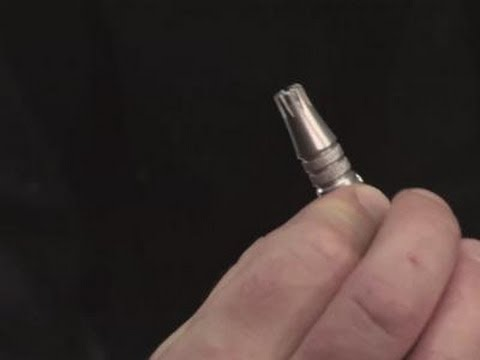
Most quality trimmers are waterproof for easy rinsing. However, over years of use, the small rubber seals and gaskets that keep water out can dry out, crack, or warp. If you notice moisture fogging the interior window after rinsing, or—worse—see signs of rust on the blades or inside the head, the waterproof seal has failed. Water inside the housing can corrode electrical components, leading to sudden failure or creating a shock hazard. Furthermore, rust on the cutting head introduces bacteria and irritants directly to your nasal passages. At this point, the device is a hygiene and safety liability.
6. Unresponsive or Erratic Power Controls
The power button or speed selector is your interface with the device. If it becomes sticky, requires multiple presses to engage, or turns on/off by itself, it signals internal electrical failure. This is often due to worn internal contacts or moisture damage from a failed seal. An unreliable power switch is more than a nuisance; it means you can’t trust the device to operate predictably. Imagine it turning on unexpectedly in your travel bag or failing to turn on when you need it. This loss of basic control is a definitive sign to replace the personal care device.
7. It’s Simply Old (The 3-Year Rule)
Even if your trimmer seems to “still work,” consider its age. The core components—blades, motor, battery, and seals—have a functional lifespan. With regular use, a trimmer over three years old is almost certainly operating at a fraction of its original efficiency and safety. The blade dulling is gradual, the motor wear is incremental, and the battery degradation is cumulative. You may not notice the day-to-day decline, but you are likely experiencing slower, less comfortable, and less effective trims. Proactive replacement every few years ensures you always benefit from the latest in safe, efficient grooming technology.
Conclusion: Don’t Compromise on Safety & Comfort
Your nose hair trimmer is a small tool with a big responsibility: maintaining your grooming and health in a sensitive area. Ignoring these warning signs means tolerating discomfort, accepting poor results, and potentially risking minor injury or infection.
Modern, high-quality electric trimmers are engineered to avoid these pitfalls. They feature self-sharpening stainless steel blades for clean cuts, quiet rotary motors for comfort, IPX7 waterproofing for easy cleaning, and reliable batteries for lasting power. Upgrading before your old tool fails completely is an investment in your daily routine, your personal presentation, and your well-being.